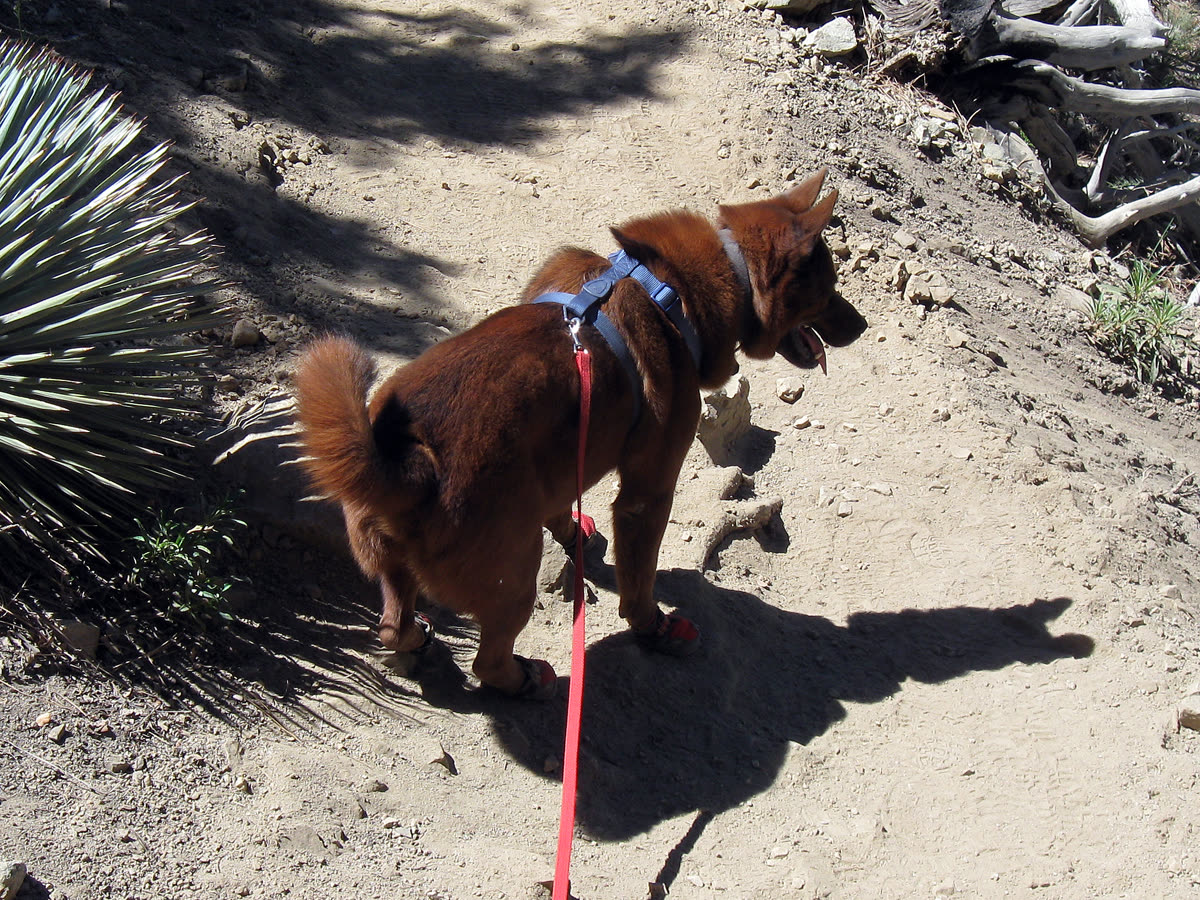
A 15-minute neighborhood loop and a two-hour hike at Pocahontas State Park are not the same situation. What you need in your pocket (or backpack) is completely different depending on where you’re going and what the conditions are. Most people carry too little for longer walks and feel unnecessarily burdened on short ones.
Here’s a practical breakdown by walk type, including a few Richmond-specific items that don’t show up on generic dog walking lists.
Every Walk, Every Time
These go with you regardless of distance or destination.
Poop bags. Carry more than you think you’ll need. Dogs with unpredictable digestion on walks are the rule, not the exception. Keep a small roll attached to the leash handle so you never leave without them. Biodegradable bags have become widely available and are worth using on trails and parks.
Water and a bowl. Even on a 20-minute walk in mild weather, some dogs drink. In summer, water is non-negotiable. A folding silicone bowl weighs almost nothing and fits in a jacket pocket. If you’re walking somewhere without water fountains, which includes most of Richmond’s trail system, carry enough for you and your dog. For a 50-pound dog on a summer walk, plan on 8 ounces every 15 to 20 minutes.
High-value treats. Useful for reinforcing good behavior, rewarding check-ins, or redirecting a dog who’s getting too interested in something you’d rather they ignore. A small handful in a zip-close bag costs nothing and earns a lot.
Your phone. For emergencies, navigation on unfamiliar trails, and the inevitable moments when your dog does something you need photographic evidence of.
For Neighborhood Walks
Shorter urban walks don’t require much beyond the basics. The main additions are situational.
Reflective gear after dark. If you’re walking in the evening or before sunrise, visibility matters. A clip-on light for the leash, a reflective vest for your dog, or a simple blinky light attached to their collar makes a real difference on unlit streets. The streets in Northside and Church Hill that feel fine at noon are genuinely hard to navigate safely as a pedestrian (with or without a dog) after dark without some reflective presence.
Bug spray for you. Richmond’s summer mosquito situation is serious from June through September, particularly in the evening hours that make for the most comfortable dog walks. Standard DEET spray is fine for you. Never spray DEET on your dog.
For Trail Hikes
Longer hikes change the math on everything. More water, more emergency supplies, more to think about before you leave.
More water than you think you need. On a two-hour hike in mild weather, plan on a full liter of water for a medium-sized dog. In warm weather, more. The James River offers natural water access at several points along the trails, but river water should be treated with some caution during hot months when algae blooms are possible.
First aid basics. A small kit with gauze pads, self-adhesive bandage wrap (Vetwrap is the brand most people know), tweezers for tick removal, and some antiseptic wipes covers most trail injuries. Dog paw cuts on rocky sections, thorn scrapes, and the occasional encounter with broken glass are the most common problems. You don’t need a full kit; you need enough to stabilize something until you can get to a vet.
Identification for your dog. On an off-trail hike or anywhere your dog might get loose, ID tags with your phone number and a backup contact are essential. Microchip information matters, but tags are what get a found dog connected to their owner in the first 30 minutes.
A leash even if your dog has reliable off-leash recall. Most Richmond trails require leashes, and even the sections that don’t will occasionally require you to leash your dog (approaching other people, crossing roads, encountering trail bikes). A leash stuffed in a pack isn’t useful when you need it quickly; keep it accessible.
Richmond-Specific Gear
A few items come up specifically because of Richmond’s conditions that you won’t see on generic dog walking lists.
Water shoes for river access. If you’re taking your dog to Pony Pasture, Belle Isle, or any James River access point, the rocks are slippery and the footing can be genuinely treacherous in sandals. Water shoes with grip soles make the difference between a fun river outing and a fall on wet granite. Your dog can manage the rocks; your feet are the vulnerability.
Tick check supplies. Virginia is serious tick country. After any walk through wooded or grassy areas, including the Fan District parks and most of the James River trail system, a tick check is not optional. A fine-tip tweezer or a dedicated tick removal tool (the Tick Twister or similar) should live in your trail bag. See the full tick prevention guide for the details on removing ticks correctly.
Dog paw balm in summer and winter. Hot pavement in July and ice-melting salt on sidewalks in January both damage paw pads. A small tin of paw balm (Musher’s Secret is the most common one) applied before long walks on harsh surfaces helps. In summer, it’s a partial protection against heat; in winter, it creates a barrier against salt and ice.
An extra bag or two for muddy gear. Richmond’s James River trails and Forest Hill Park can be genuinely swampy after rain. A plastic bag to pack out muddy leashes, booties, or a wet dog towel keeps your car from becoming a mud situation. For summer heat risks specific to Richmond’s trails, see the summer heat safety guide. This guide is part of the Richmond dog walking tips collection.
Frequently Asked Questions
Do I need to bring water for a short walk? On mild days and walks under 20 minutes, most dogs are fine without water. In warm weather (above 70°F), bring water even for short walks. Dogs don’t always signal thirst clearly, and the walk back from Pony Pasture in July is no place to realize you forgot the water bottle.
What’s the best collapsible dog bowl? The silicone folding bowls (sold under various brand names) are the most practical option: lightweight, packable, and easy to rinse. They cost a few dollars and clip to a carabiner or leash. Avoid the tiny origami paper bowls; they work once and are mostly useful as a backup.
Should I bring treats on every walk? Yes, especially if you’re still working on any kind of training or if your dog encounters unpredictable triggers. Treats are a tool, not a bribe. Having them available means you can reward good behavior in the moments when it happens, rather than only correcting problems.
What do I do if my dog gets a cut on the trail? For a minor cut: stop the bleeding with gentle pressure using a gauze pad, apply antiseptic wipe if available, and wrap with self-adhesive bandage if needed to keep it clean for the walk out. For anything deep, actively bleeding without stopping, or involving the paw pad, cut the hike short and get to a vet. Paw pad injuries look worse than they are, but they also get infected quickly.
Is it okay to let my dog drink from the James River? For most of the year, yes. In late summer when water temperatures are high and flow is low, harmful algae blooms (cyanobacteria) are possible in slow-moving sections. If you see greenish, foamy, or discolored water, don’t let your dog drink from it or swim in it. Clear, moving water in the main river channel is generally fine, though bringing your own water is always safer.